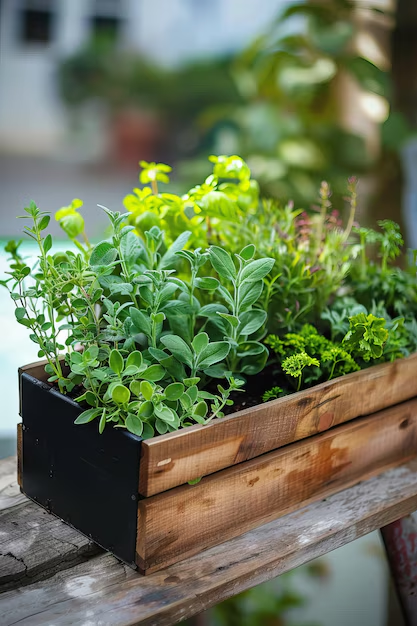
Creating a compact herb planter using recycled materials is an eco-friendly and practical way to keep fresh herbs at hand in your kitchen. With a few common items, you can build your own small herb garden that fits perfectly on your countertop or windowsill. Here's how to do it:
Selecting the right herbs for your indoor planter is crucial for success. Here are some popular options:
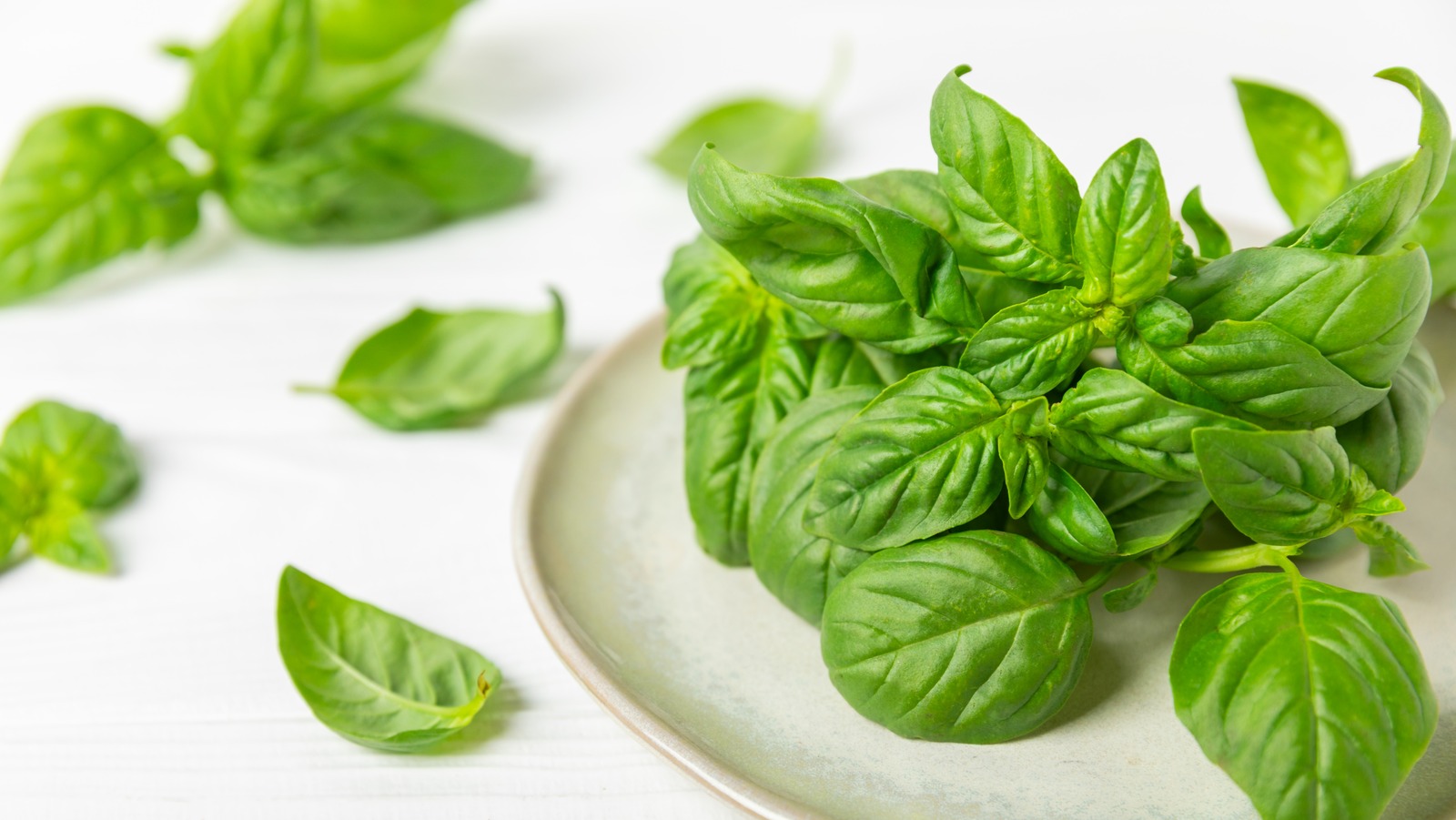
Basil thrives in warm, sunny conditions. It's perfect for Italian cuisine and makes a great pesto.
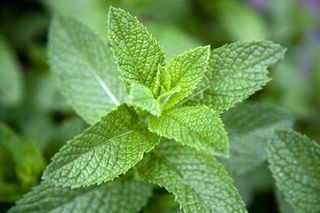
Mint is a vigorous grower that prefers partial shade. It's great for teas and cocktails.
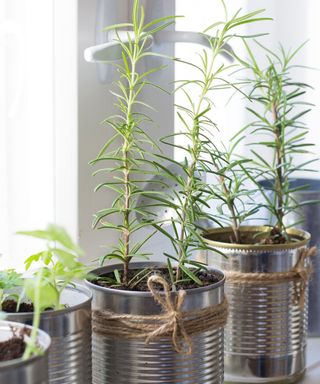
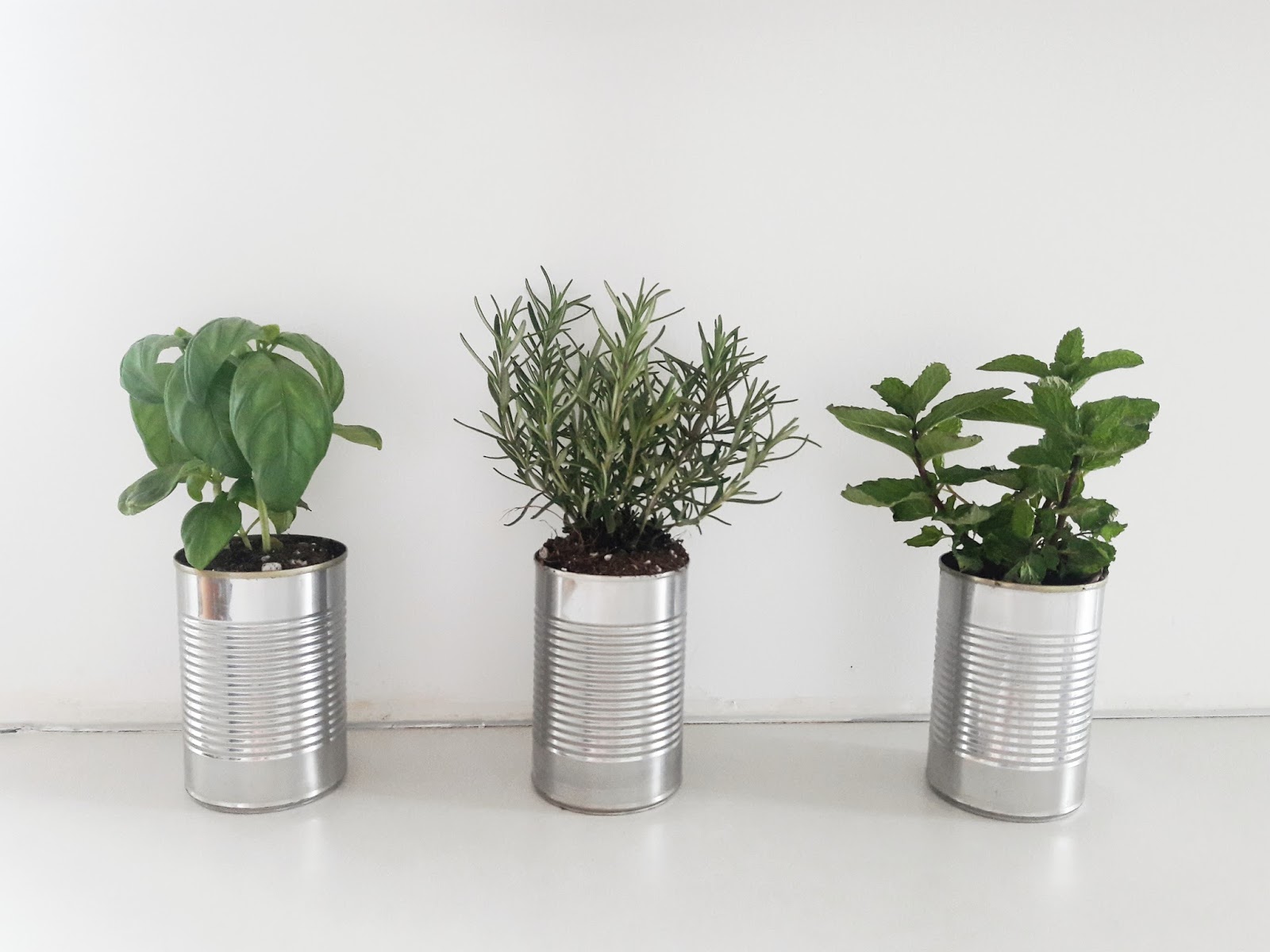
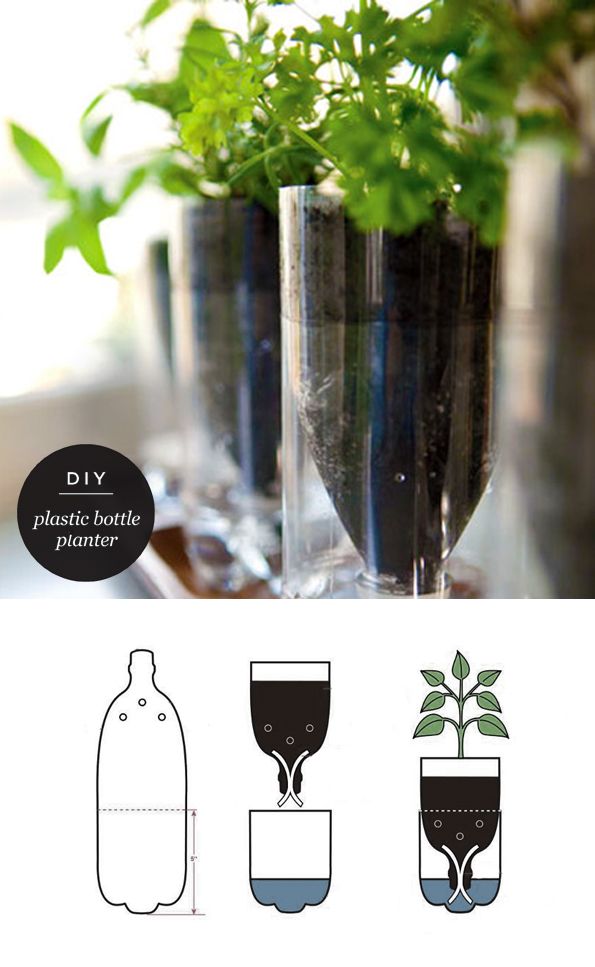
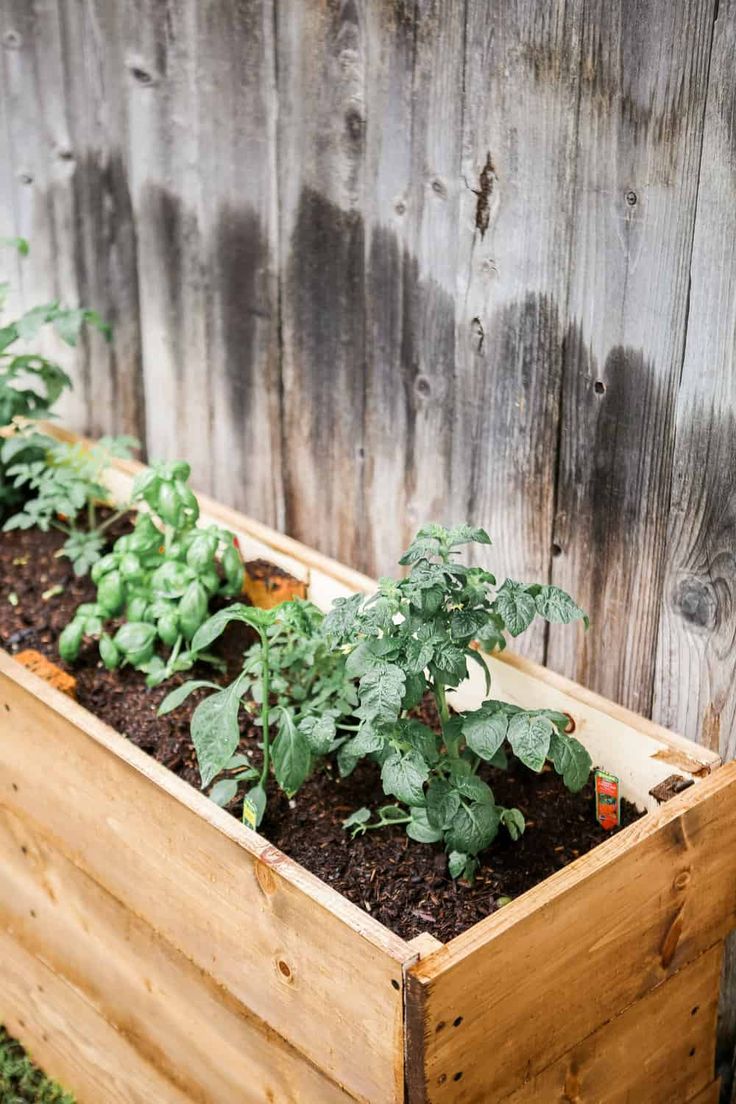
Look around for materials you can repurpose, such as tin cans, glass jars, or even plastic bottles. Make sure the containers are large enough to hold soil and allow the herbs to grow.
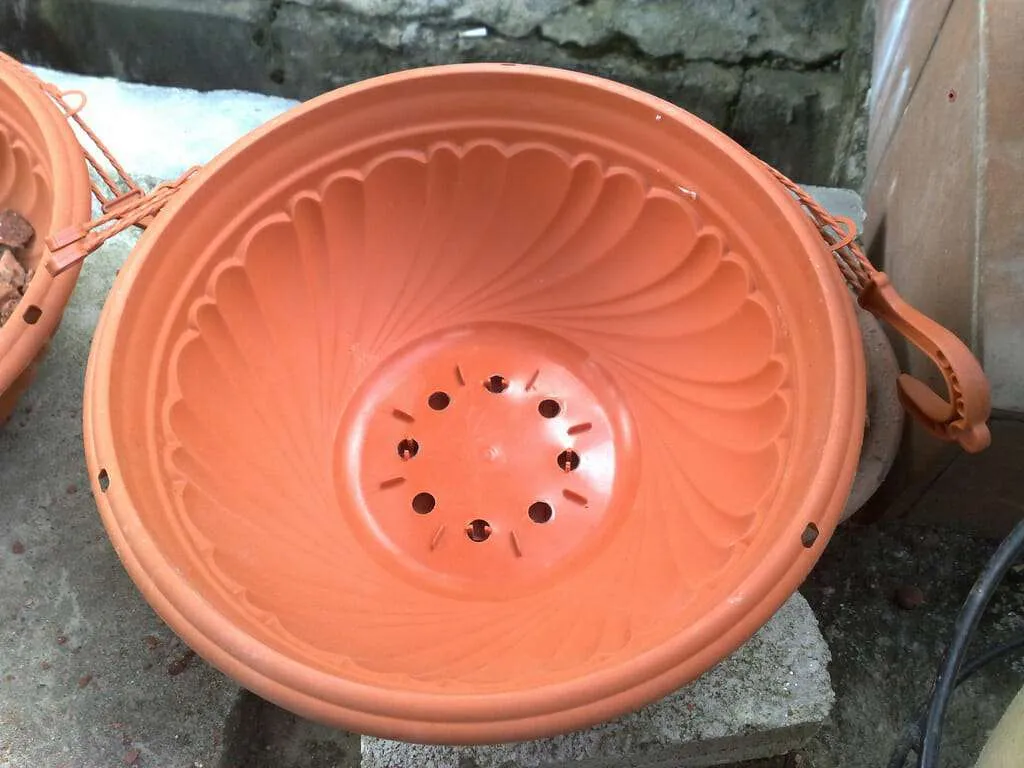
Most plants, including herbs, need proper drainage. If your containers don't already have holes, use a drill or nail to make small holes in the bottom.
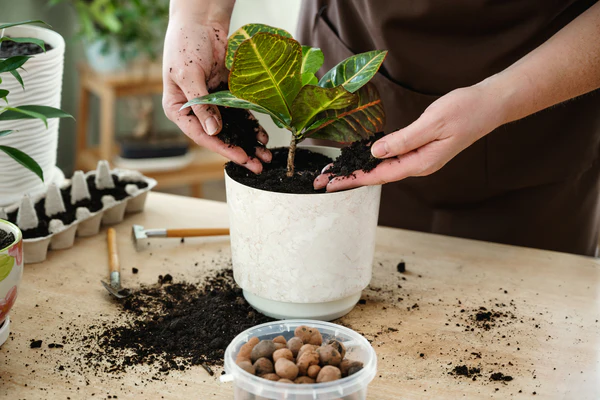
Fill each container with a layer of pebbles or gravel to ensure proper drainage. Add a layer of organic potting soil on top of the pebbles, filling the container about two-thirds full.
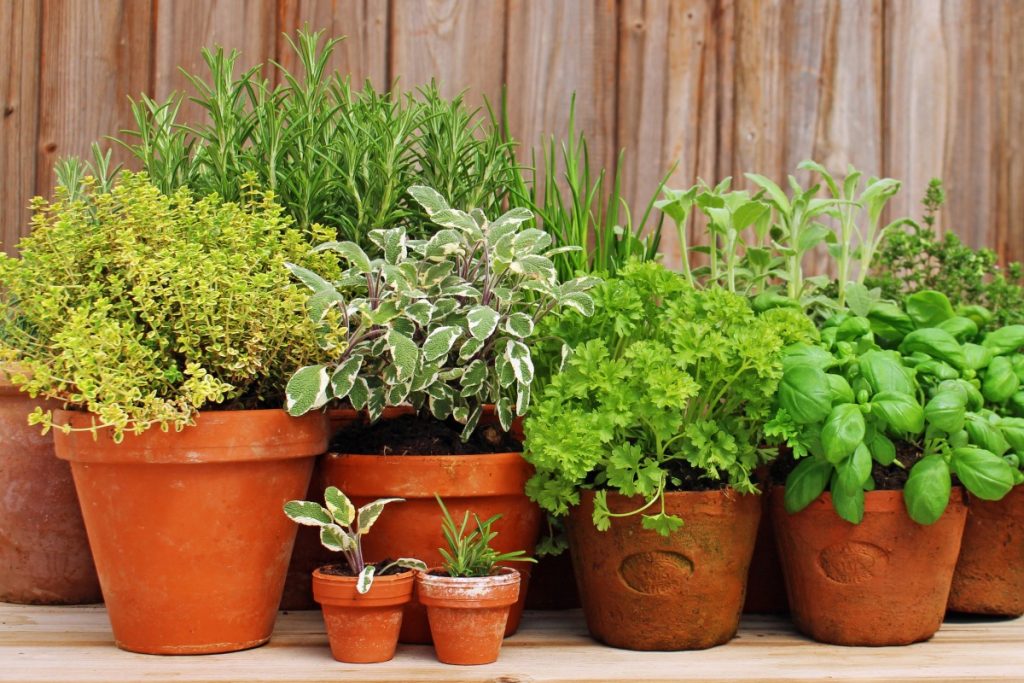
If you're planting seeds, follow the instructions on the seed packet for depth and spacing. For seedlings, create a small hole in the soil, place the roots in, and cover with more soil.
Water the plants gently right after planting, but make sure not to overwater. Ensure the soil stays moist but not soggy.
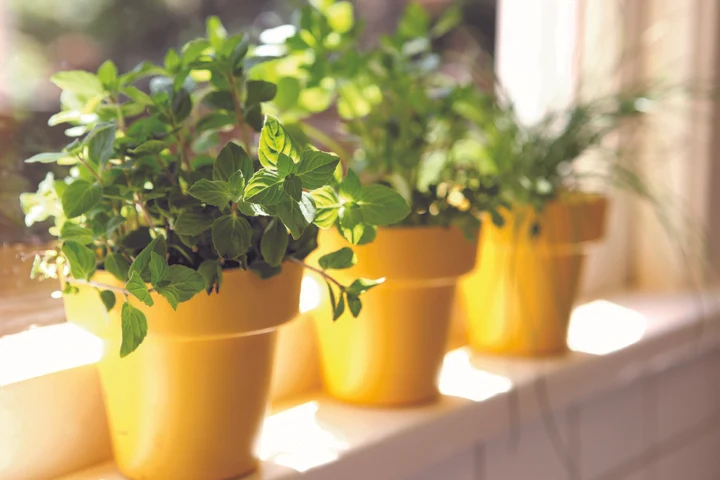
Place your herb planter on a sunny windowsill or countertop where it will receive at least 4-6 hours of sunlight each day.
Possible causes: Overwatering, nutrient deficiency
Solution: Adjust watering schedule, consider fertilizing
During winter months:
Don't throw away your herb trimmings! Here's how to compost them:
Ready to expand your herb growing adventure? Here are some tips:
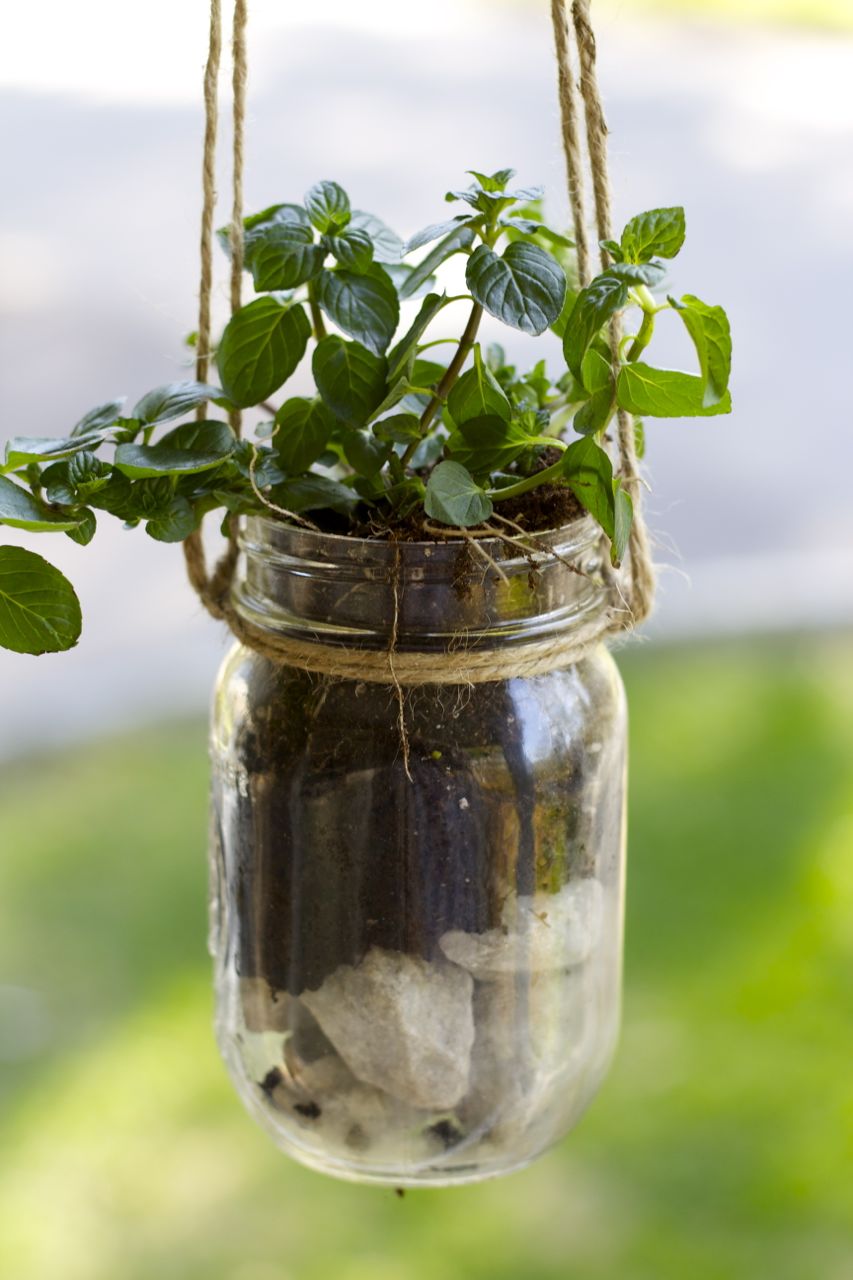
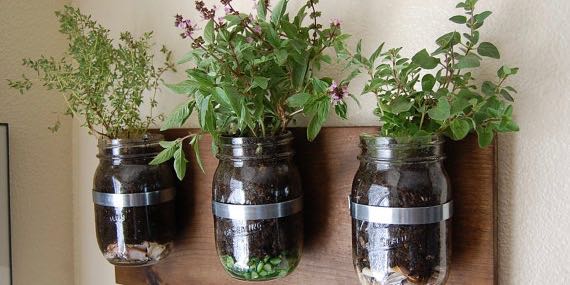
Mount mason jars on a wooden board using clamps or wire and hang the board on the wall near your kitchen window. This creates a vertical herb garden that's space-saving and attractive.
By using recycled materials, you not only create a sustainable, low-cost herb garden but also add a personal and creative touch to your kitchen. These planters provide fresh herbs all year round, reduce waste, and make your space feel more connected to nature.
A: Most herbs benefit from monthly fertilization during the growing season. Use a balanced, water-soluble fertilizer at half strength.
A: Yes, you can grow herbs from seeds indoors. Start with fresh seeds, use a seed-starting mix, and keep the soil consistently moist until germination occurs.
A: To prevent leggy growth, ensure your herbs receive adequate light, prune regularly, and avoid overcrowding. Rotate your planter periodically to promote even growth.
A: It's best to use a potting mix specifically designed for container gardening. Regular garden soil can become compacted and may not drain well in containers.
A: Use clean, sharp scissors to cut stems just above a leaf intersection. Never remove more than one-third of the plant at a time to ensure healthy regrowth.
A: Yes, but group herbs with similar water and light requirements together. For example, Mediterranean herbs like rosemary, thyme, and oregano grow well together.
A: Signs of overwatering include yellowing leaves, wilting despite moist soil, and mold growth on the soil surface. Always check the soil moisture before watering.